AI Pre-Grade

How AI Pre-Grade works

Grading costs money and weeks of waiting. AI Pre-Grade tells you, before you pay, how a card is likely to score. Here is what it looks at and how far you should trust it.

Condition

The four things we measure.

The same criteria a human grader uses, scored from your photos. Swipe through the readings to see where each one looks.

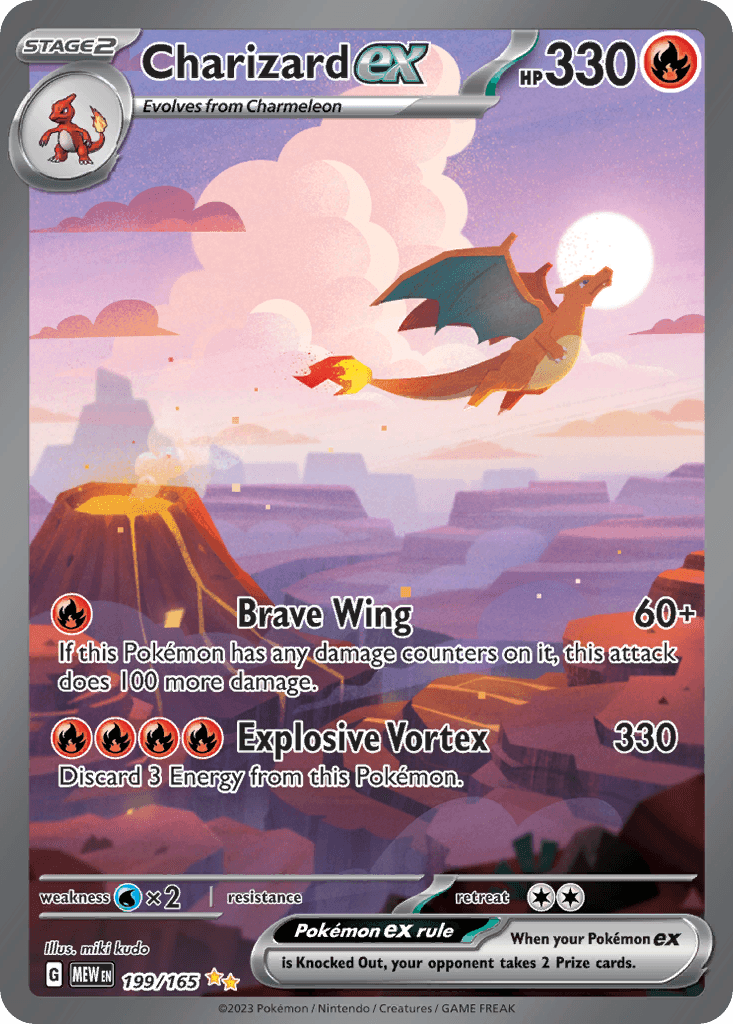
Charizard ex from 151, inspected as a worked example

Centering

How evenly the border runs on all four sides, front and back. This is the single most common reason a card misses a 10: further out than roughly 55 to 45 and the top grade is gone, however clean the rest is.

9.4out of 10

Corners

Sharpness and whitening, checked corner by corner at high magnification. One lifted fibre is enough to show up in the reading.

9.1out of 10

Edges

Nicks, chipping, and wear along all four edges, including the print line along the cut.

9.1out of 10

Surface

Scratches, print lines, dents, and how the holofoil catches the light. Glare in your photo is kept apart from real damage on the card.

9.4out of 10

Worked example

Pick a card and watch the numbers move.

Real chase cards with example readings, so you can see how the estimate presents itself. Your own card gets its own numbers in the scanner.

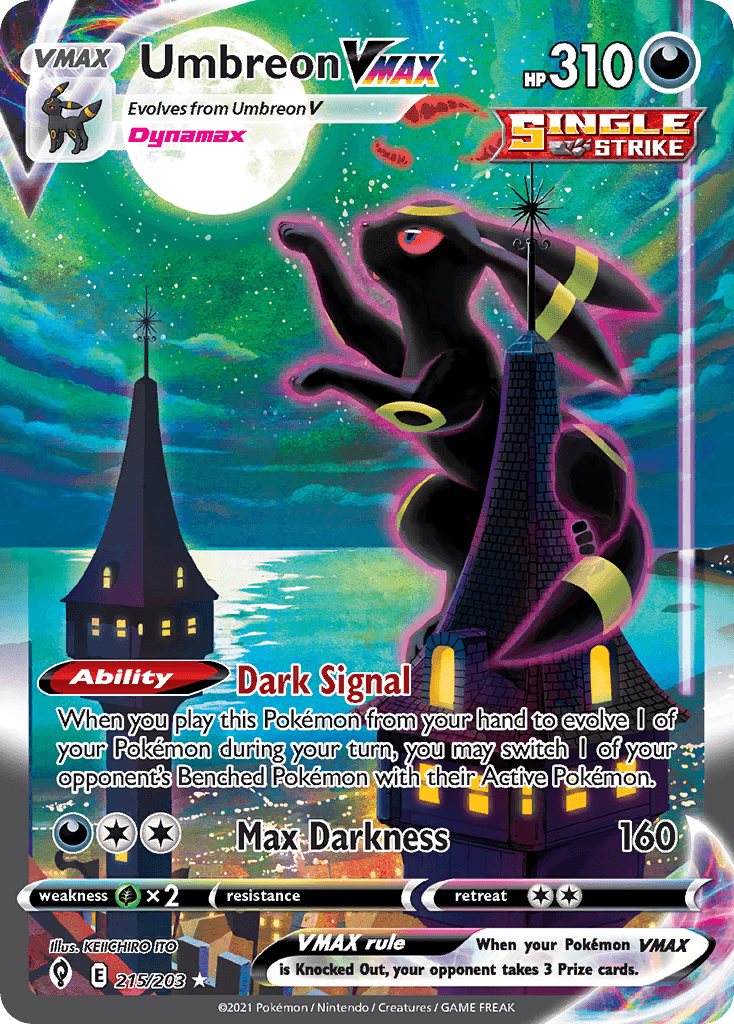
Umbreon ex · Prismatic Evolutions 161/131
  • Left and right54%
  • Top and bottom52%

Umbreon ex

Prismatic Evolutions161/131

Special Illustration Rare

Estimated gradeExample

9

PSA 10 · 36%

An AI Pre-Grade is our own estimate, not an official PSA grade.

Card images © Pokémon / TPC, via the Pokémon TCG API.

How to read it

A filter, not a verdict.

What the estimate can tell you, where it stops, and how to get the most out of it.

What it actually does

You photograph the front and back of a card. GrailPilot measures the same four things a grader looks at, and turns them into a grade estimate plus the odds of a PSA 10.

The result is a range with a confidence level. When the photos are too dark, too blurry, or cut off, you get told to shoot again instead of getting a number that means nothing.

How much to trust it

An AI Pre-Grade is our estimate, never an official PSA grade. PSA graders are human and their calls include judgement we cannot fully predict.

Treat the number as a filter, not a verdict. It is very good at telling you which cards clearly should not be submitted, and reasonably good at spotting the ones that deserve a closer look.

We will never tell you a card is a guaranteed 10, because nobody can.

How to use it well

  1. Shoot on a flat, dark surface with even light and no direct reflection. Take the card out of the sleeve.
  2. Run the estimate on your best candidates first, then compare the raw price against the graded price minus grading and shipping costs. GrailPilot does that maths for you.
  3. Submit in batches. The cost per card drops and your waiting time is spent once instead of five times.

Common questions

Does it work on cards already in a slab?

Not yet. Slab reading is on the way.

Does it work on non-English cards?

Identification does. Grade estimates work the same way, since condition has no language.

Do you keep my photos?

Only to run the estimate and to show it back to you. You can delete them with your account at any time.

You know how it reads. Your card is next.

Scan a card and read the same four measurements on something you actually own. It costs nothing.

Works in your browser today. iPhone and Android are on the way.

Scan a card
How AI Pre-Grade works · GrailPilot